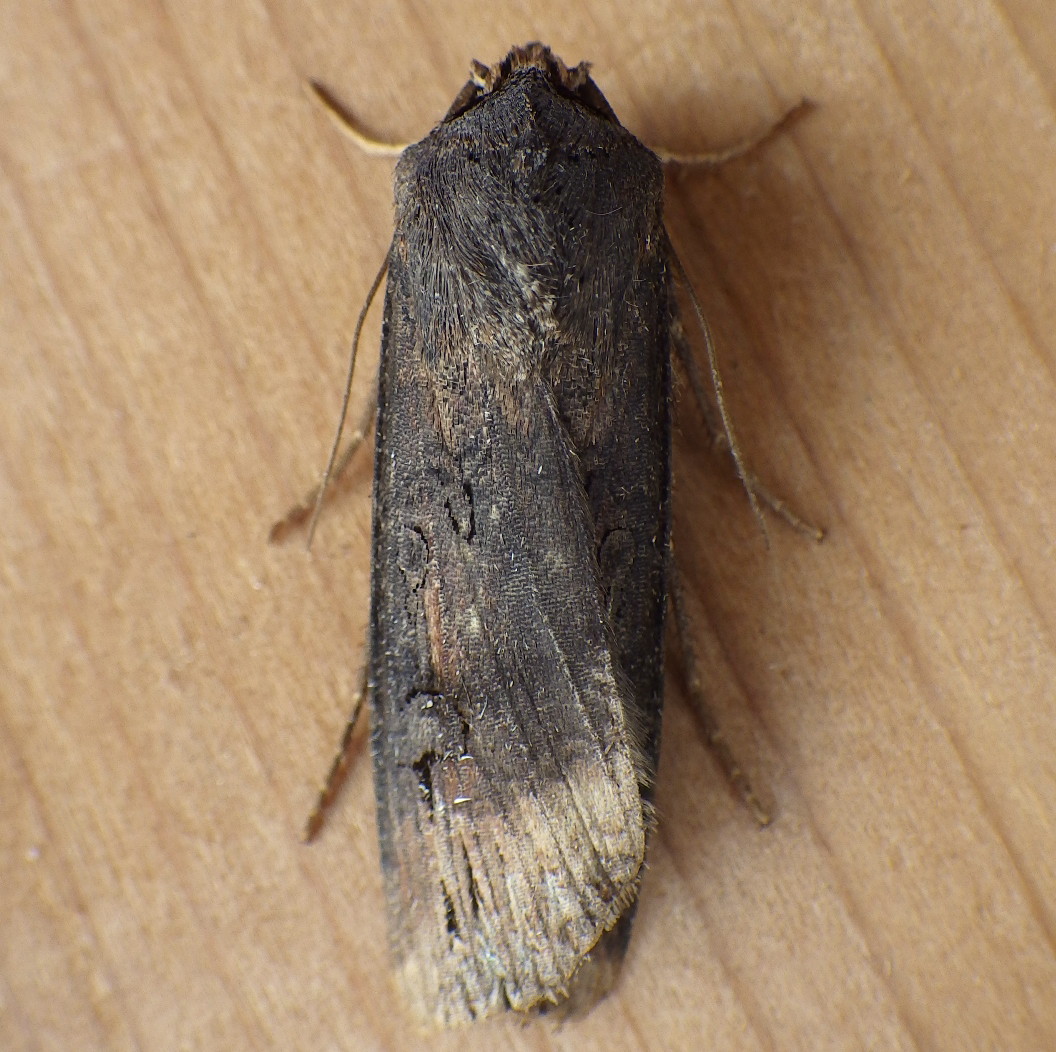
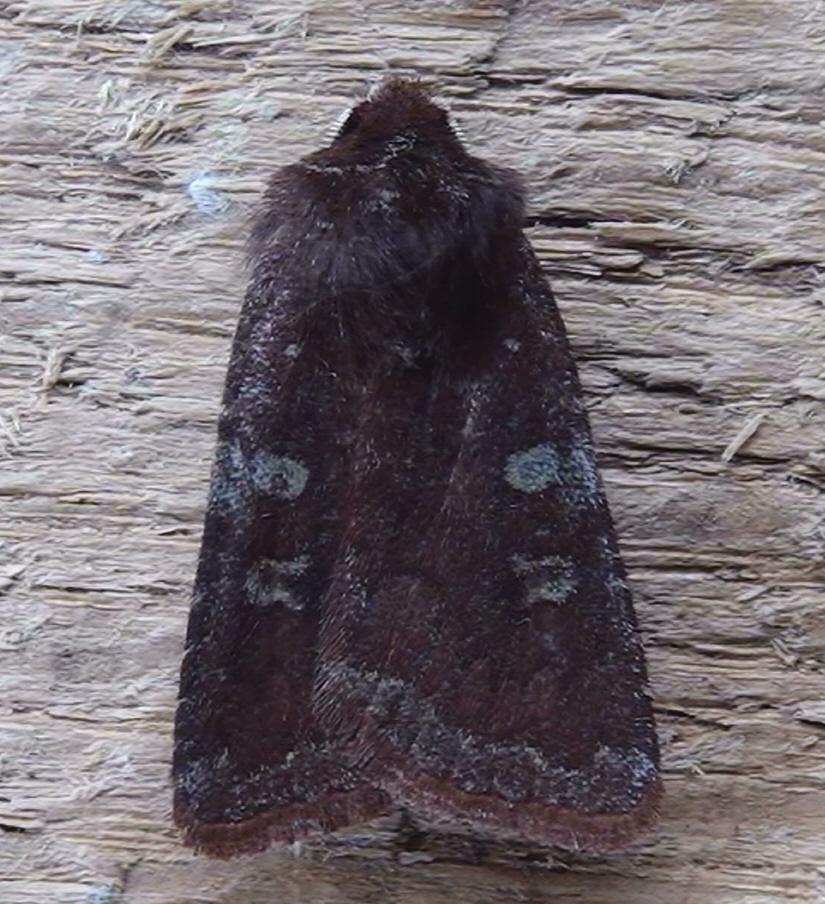
Category Archives: Photographs

Selected Butterflies of North Dakota and Minnesota

Butterfly Book

A few years ago, before I became fascinated with moths, I collected video-images of some of the more common butterflies of northeastern North Dakota and northwestern Minnesota.  I’m archiving these video-images here on the Dakota Naturalist with the hope that they may be of some educational value.  Enjoy!

Lycaenidae or Gossamer-wing Butterflies

Spring Azure (Celastrina ladon)

Summer Azure (Celastrina neglecta)

Coral Hairstreak (Satyrium titus)

Banded Hairstreak (Satyrium calanus)

Nymphalidae or Brush-footed Butterflies

Hackberry Emperor (Asterocampa celtis)

Common Wood Nymph (Cercyonis pegala)

Clouded Sulphur (Colias philodice)

Monarch (Danaus plexippus)

Northern Pearly-eye (Lethe anthedon)

Eyed Brown (Lethe eurydice)

Viceroy (Limenitis archippus)

White Admiral (Limenitis arthemis)

Little Wood Satyr (Megisto cymela)

Mourning Cloak (Nymphalis antipoda)

Northern Crescent (Phyciodes cocyta)

Pearl Crescent (Phyciodes tharos)

Cabbage White (Pieris rapae)

Eastern Comma (Polygonia comma)

Question-mark (Polygonia interrogationis)

Checkered White (Pontia protodice)

Red Admiral (Vanessa atalanta)

Painted Lady (Vanessa cardui)

Hesperiidae or Skipper Butterflies

Arctic Skipper (Carterocephalus palaemon)

Ottoe Skipper (Hesperia ottoe)

Long Dash Skipper (Polites mystic)

Checkered Skipper (Purgus communis)
Larger Moths: Saturniidae and Sphingidae…

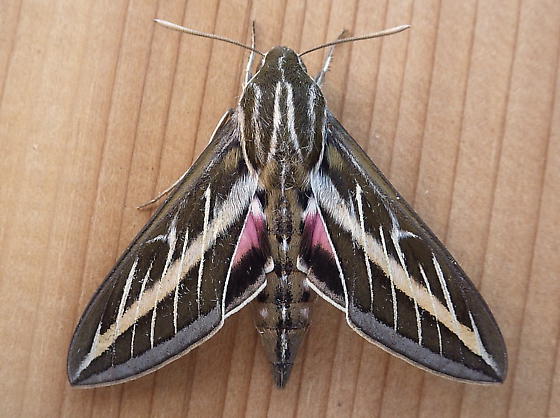
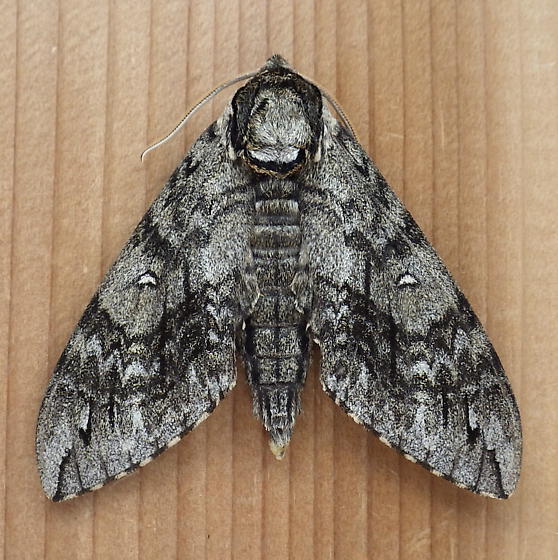
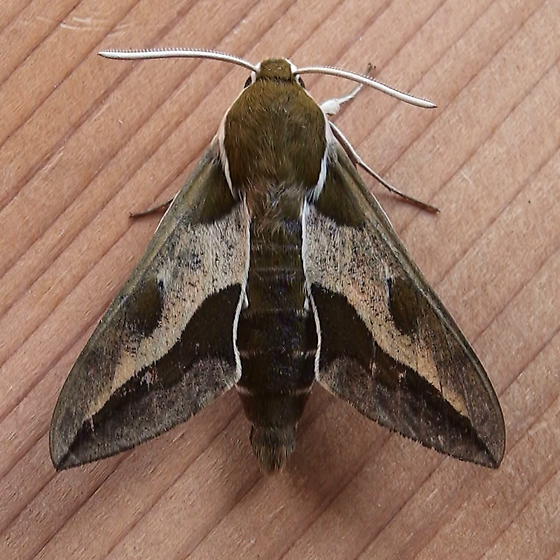
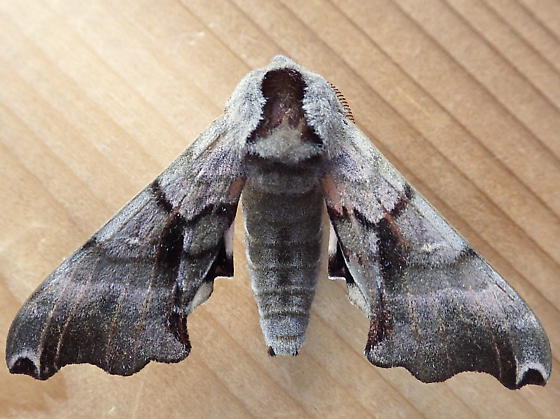
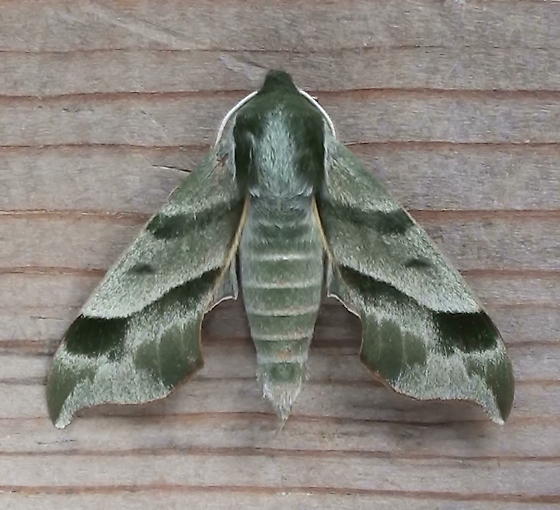
Sphinx 12Sphinx 11Sphinx 1Sphinx 6Sphinx 3BSphinx 4Sphinx 8BSphinx 10Sphinx 5Sphinx 7BSphinx 2BSphinx 9Sphinx 13

Our larger local moths certainly attract more attention. 

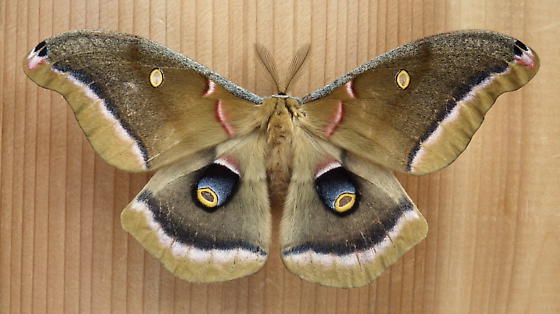
Larger species generally include the Giant Silkworm Moths (Family Saturniidae) and the Sphinx Moths (Family Sphingidae).  One of the largest and most common of our northeastern North Dakota moths is the Polyphemus Moth (Antheraea polyphemus),  a member of the family Saturniidae.   The family Sphingidae, which includes the Sphinx Moths and Hawkmoths, is well-represented in our area.  We’ve at least eight genera of Sphinx Moths in our area, and there are probably many more genera to be found once one begins looking carefully.  Sphinx Moths are often mistaken for hummingbirds. 

All but one of the 13 moth species shown above are found on pages 254-269 of the Peterson Field Guide to Moths of Northeastern North America.  The single specimen that isn’t included in the field guide is a western species, the Vashti Sphinx (Sphinx vashti).

I’m really looking forward to finding and photographing new local genera and species for these two families this Spring and Summer, 2014.

Moth Book

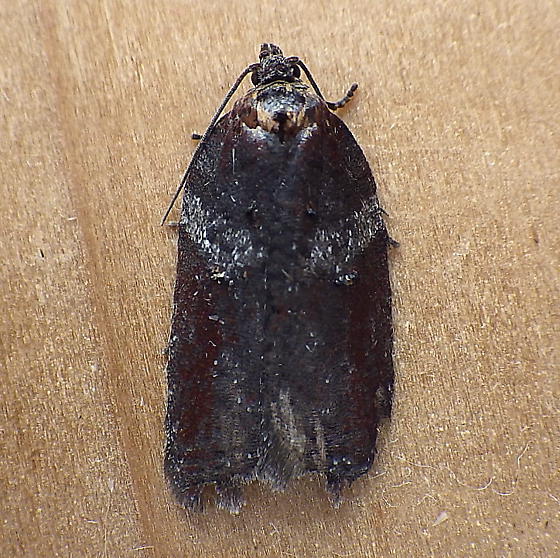
Our Local Acleris: A Consternating Genus…

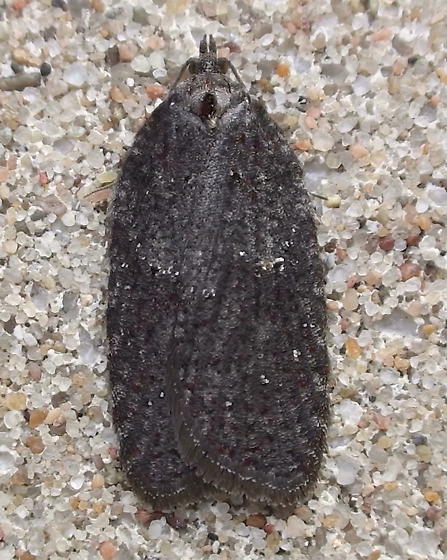
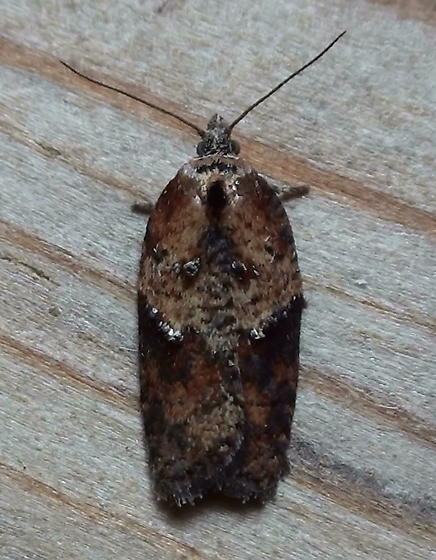
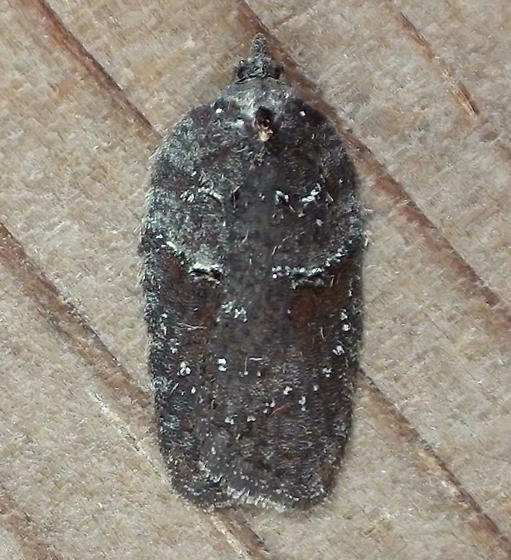
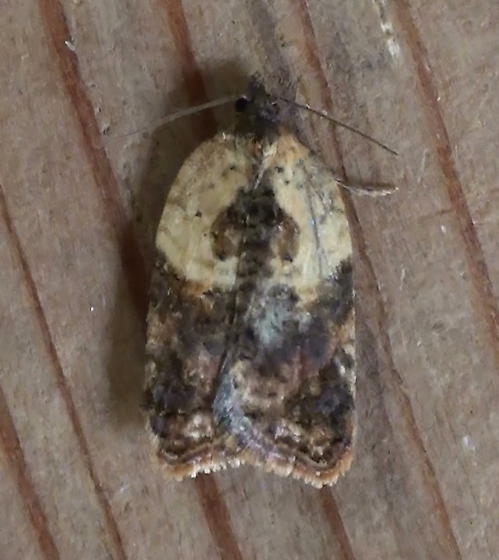
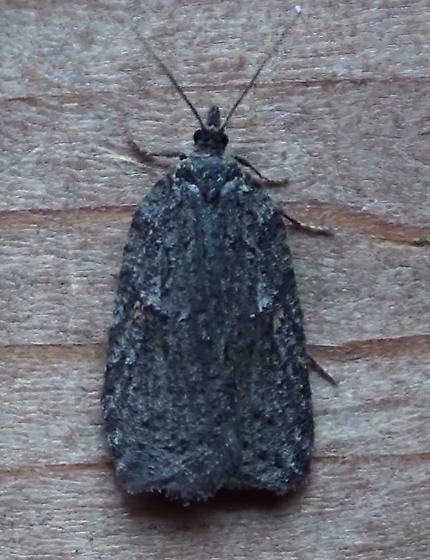
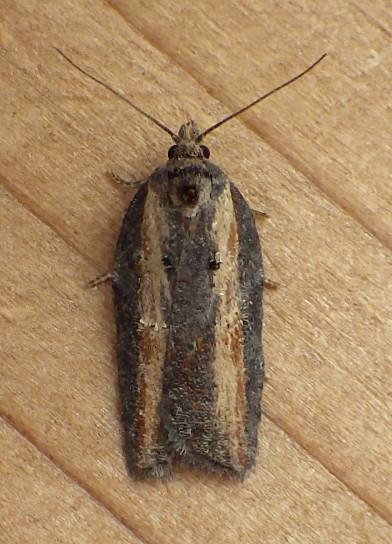
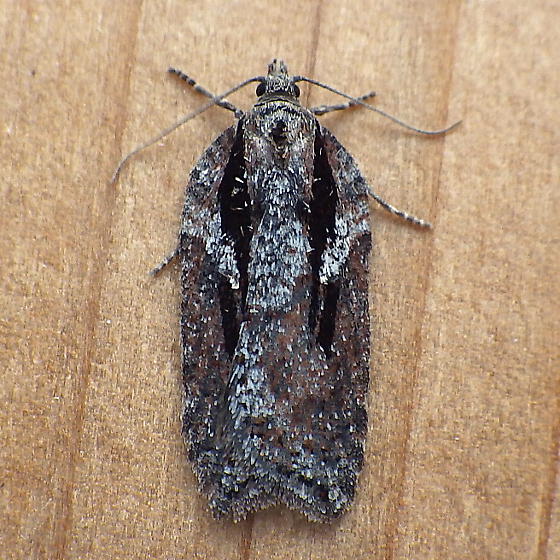
Acleris 19Acleris 18Acleris 17Acleris 16 Acleris 15Acleris 14Acleris 13 Acleris 12Acleris 11BAcleris 11Acleris 9 Acleris 8Acleris 7Acleris 6 Acleris 5Acleris 4Acleris 3 Acleris 2Acleris 1

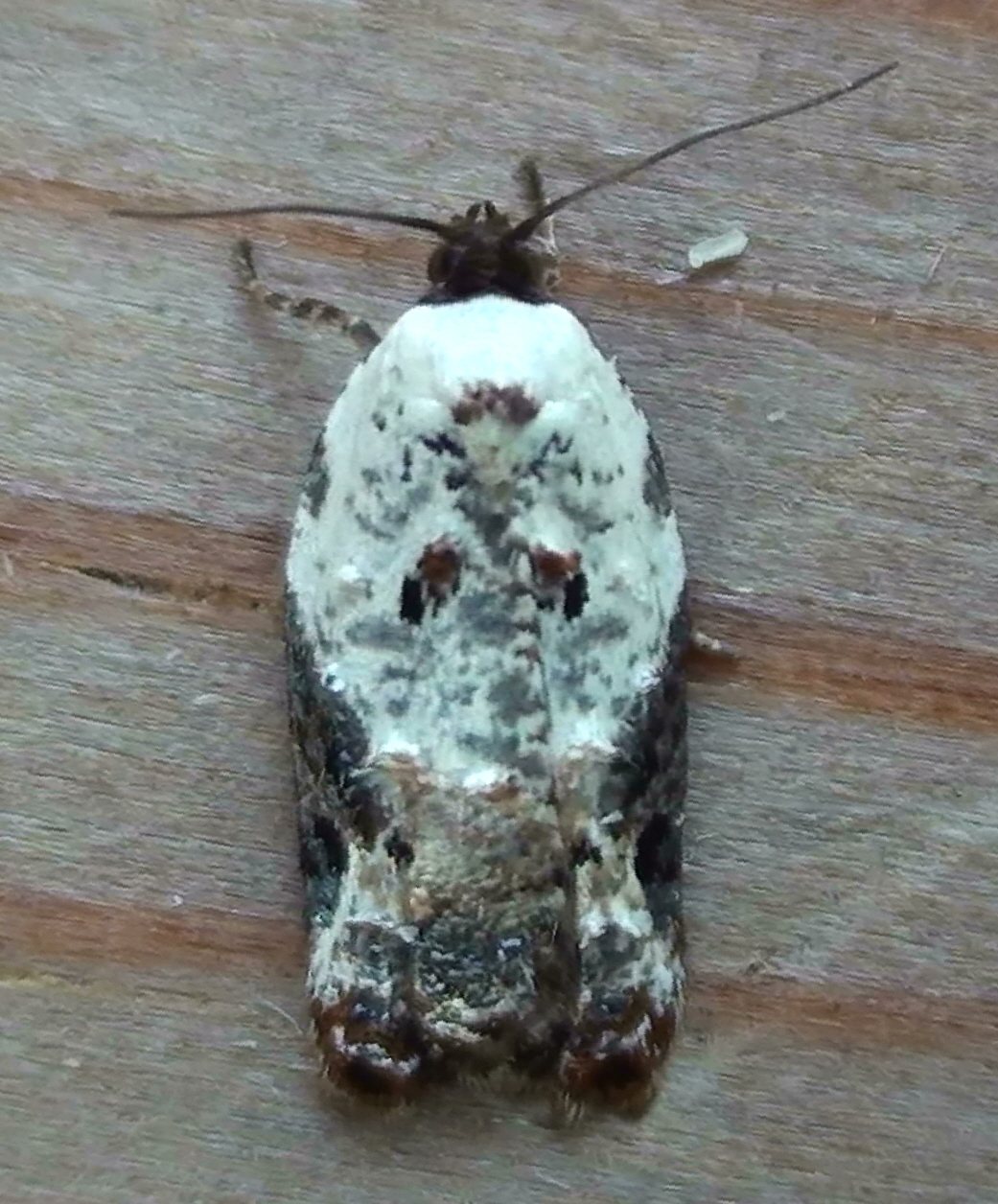
Moths in the genus Acleris are commonly referred to as ‘tortrix leafrollers’ and they are included in the family Tortricidae.  These small moths are seldom more than a centimeter in length, and so they are easily overlooked.

I think that I may have photographed as many as 7-11 different species of Acleris in northeastern North Dakota and northwestern Minnesota, but I’ve actually only been able to identify perhaps half of these to the species-level using photographs alone.  That is because some (and perhaps many) Acleris species are notoriously variable (e.g., Acleris hasiana and Acleris variana), and so to correctly determine the species of any individual Acleris one must often either dissect the specimen, to examine the morphology of genitalia, or employ DNA bar-coding techniques.  I hope to spend more time photographing and collecting Acleris during the 2014 season.

Take a careful look at the 19 different images of Acleris shown above, and then try and match each one of these with images of Acleris species found on pages 84-89 of the Peterson Field Guide to Moths of Northeastern North America.  How many different species of Acleris can you find among these 19 specimens?

Moth Book

Click on the link below to go to the Moth Photographers Guide to see more images of Acleris species.

http://mothphotographersgroup.msstate.edu/fast.php?plate=09.0&size=m&sort=h

Our Local Lithophane: A Fascinating Genus…

Lithophane 1BLithophane 2Lithophane 3Lithophane 4Lithophane 5Lithophane 6Lithophane 8Lithophane 9Lithophane 11Lithophane 7Lithophane 10

We may find perhaps 8-12 species of overwintering Lithophane in northeastern North Dakota.  Examples of some of these species are shown above.  (Go to pages 464-469 in the Peterson Field Guide to Moths of Northeastern North America to view images of these as well as many other Lithophane species.)

Moth Book

When warmer weather finally arrives, perhaps in May and early June, I will continue my systematic effort to collect images (and selected individuals) of our local Lithophane
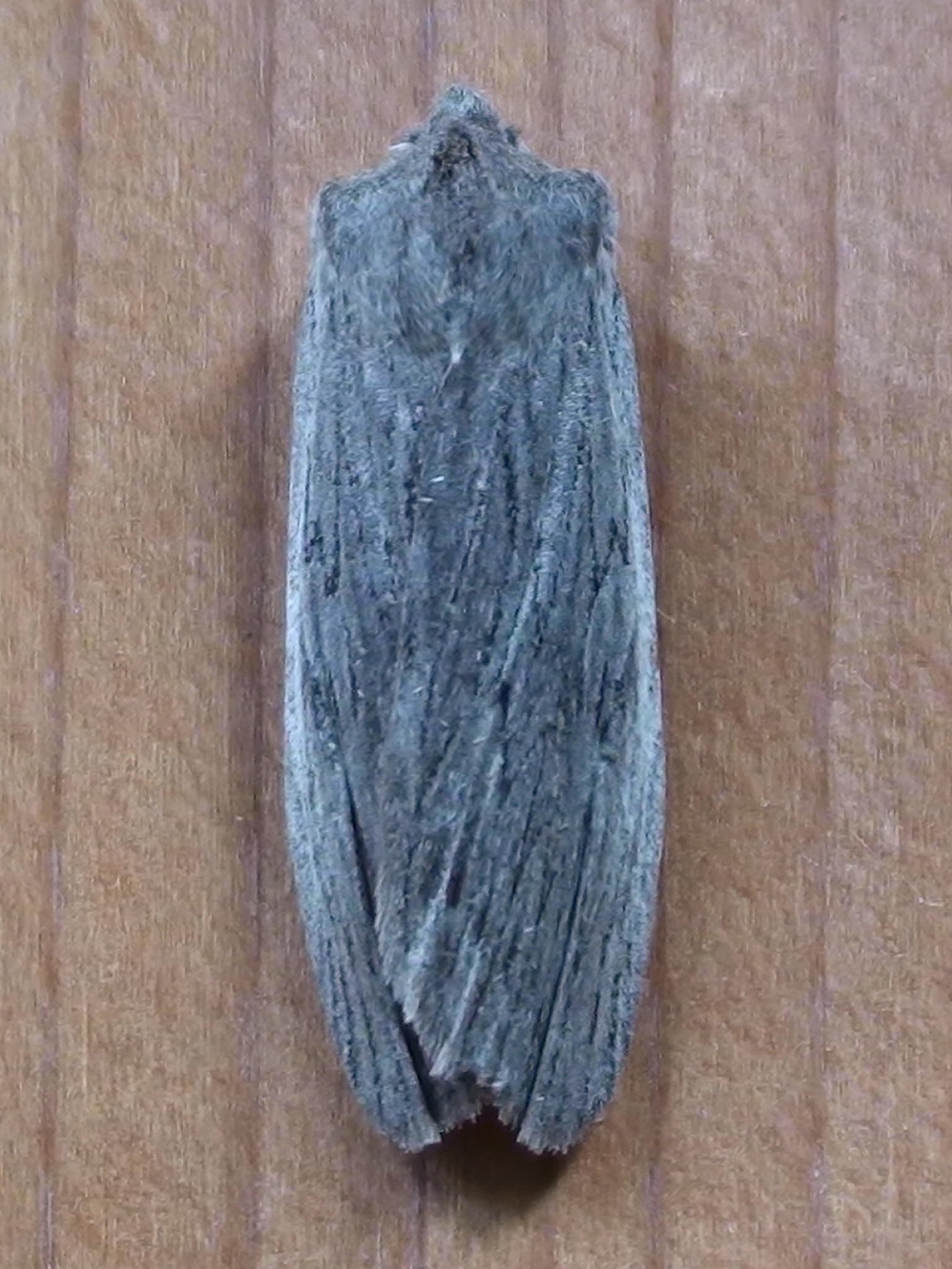
Photographic images of this genus are archived as North Dakota specimens at BugGuide.net.  Collected specimens are archived in the North Dakota State Insect Research Collection, Department of Entomology, Dept. 7650, North Dakota State University, P.O. Box 6050, Fargo, North Dakota 58108-6050.  Contact Dr. Jerry Fauske, Research Specialist and Collection Manager, NDSIRC, for further information about North Dakota Lithophane.

Much Ado About Mothing…

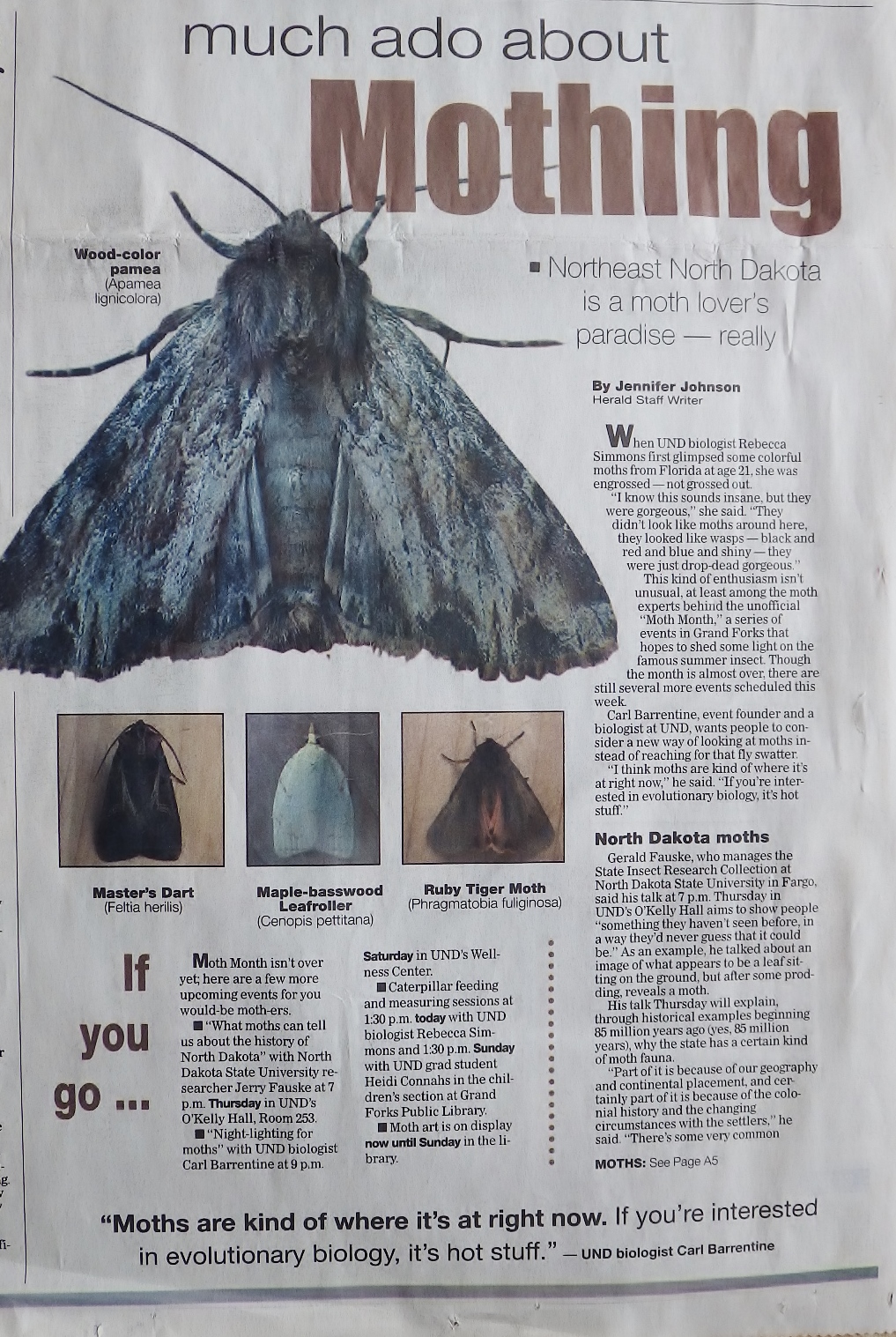
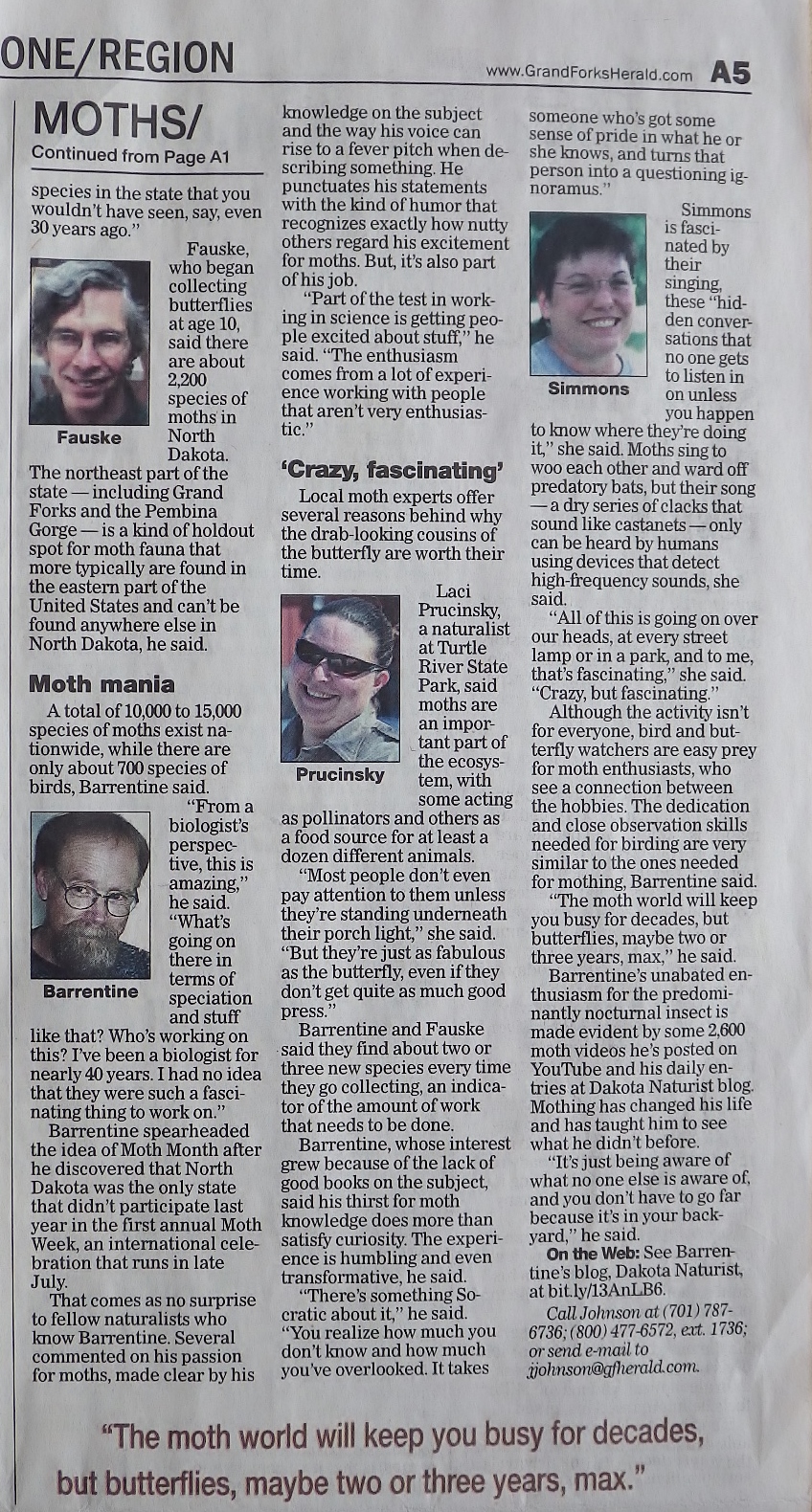
Jennifer Johnson, writer for the Grand Forks Herald, published a  story for National Moth Week 2013.  This digital reprint of Johnson’s 24 July 2013 article shares the mothing interests of Becky Simmons, Laci Prucinsky, Heidi Connahs, Jerry Fauske, and Carl Barrentine.

Moth Week 2013.1 Moth Week 2013.2

Selected Shorts: Instructional Videos


A Couple of North Dakota Moth-watchers

Carl and Jerry

Carl Barrentine and Jerry Fauske

Mothing 99: Making Moth Food

Mothing 100: Light Trapping Moths

Mothing 101: Catching Moths

Mothing 102: Introduction to Pinning

Mothing 103: Two Useful Pinning Techniques

Mothing 202: Photography–An Affordable Set-up…

Mothing 203: Blacklighting

Selected Midwestern Moths: Video Links

Carl 1 

Part 1: Common Micromoths (11 Families, 21 Genera)

Part 2: Common Tortrix, Cochylid, Archip, and Sparganothid Leafroller Moths (Family Tortricidae)

Part 3: Common Olethreutine Moths (Family Tortricidae)

Part 4: Common Pyralid Moths (Family Pyralidae)

Part 5: Common Grass-Veneer and Donacaula Moths (Family Crambidae)

Part 6: Common Aquatic Crambid and Pyraustine Moths (Family Crambidae)

Part 7: Common Thyatirid and Scoopwing Moths (Families Depranidae and Uraniidae)

Part 8: Common Carpet and Pug Moths (Family Geometridae)

Part 9: Common Wave and Emerald Moths (Family Geometridae)

Part 10: Common Typical Geometer Moths (Family Geometridae)

Part 11: Common Tent Caterpillar and Lappet Moths (Family Lasiocampidae)

Part 12: Common Sphinx Moths (Family Sphingidae)

Part 13: Common Prominent Moths (Family Notodontidae)

Part 14: Common Lichen Moths and Tiger Moths (Family Erebidae)

Part 15: Common Litter Moths, Snout Moths, and Assorted Owlets (Family Erebidae)

Part 16: Common Underwing, Zale, and Nola Moths (Families Erebidae and Nolidae)

Part 17: Common Looper Moths (Family Noctuidae)

Part 18: Common Glyph, Bird-dropping, Panthea, and Brother Moths (Family Noctuidae)

Part 19: Common Dagger, Marsh, and Bird-dropping Moths (Family Noctuidae)

Part 20: Common Hooded Owlets, Sallows, Wood-Nymphs, and Groundlings (Family Noctuidae)

Part 21: Common Flower, Phosphila, Midget, Caradrine, and Angle Shade Moths (Family Noctuidae)

Part 22: Common Apamea, Brocade, and Borer Moths (Family Noctuidae)

Part 23: Common Swordgrass, Pinion, and Xylenine Moths (Family Noctuidae)

Part 24: Common Quaker, Woodling, Woodgrain, Arch and Wainscot Moths (Family Noctuidae)

Part 25: Common Dart Moths (Family Noctuidae)

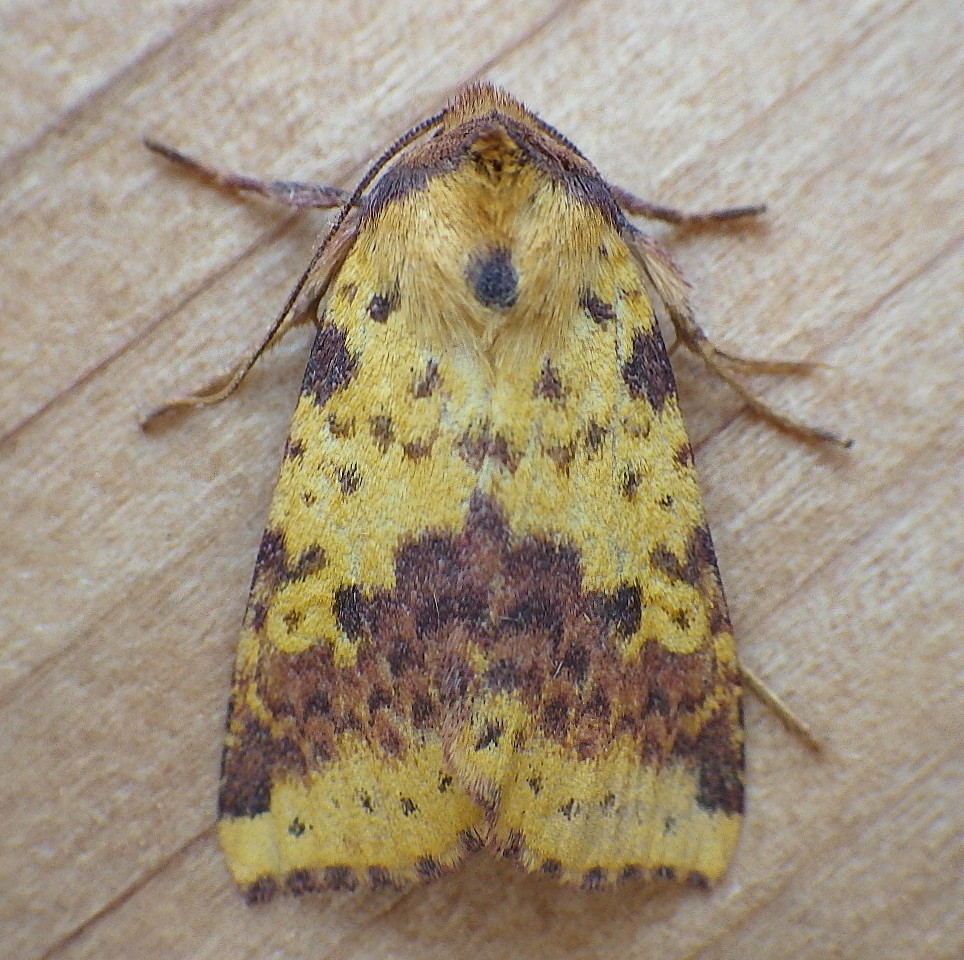
Anticipating the 2014 Mothing Season…

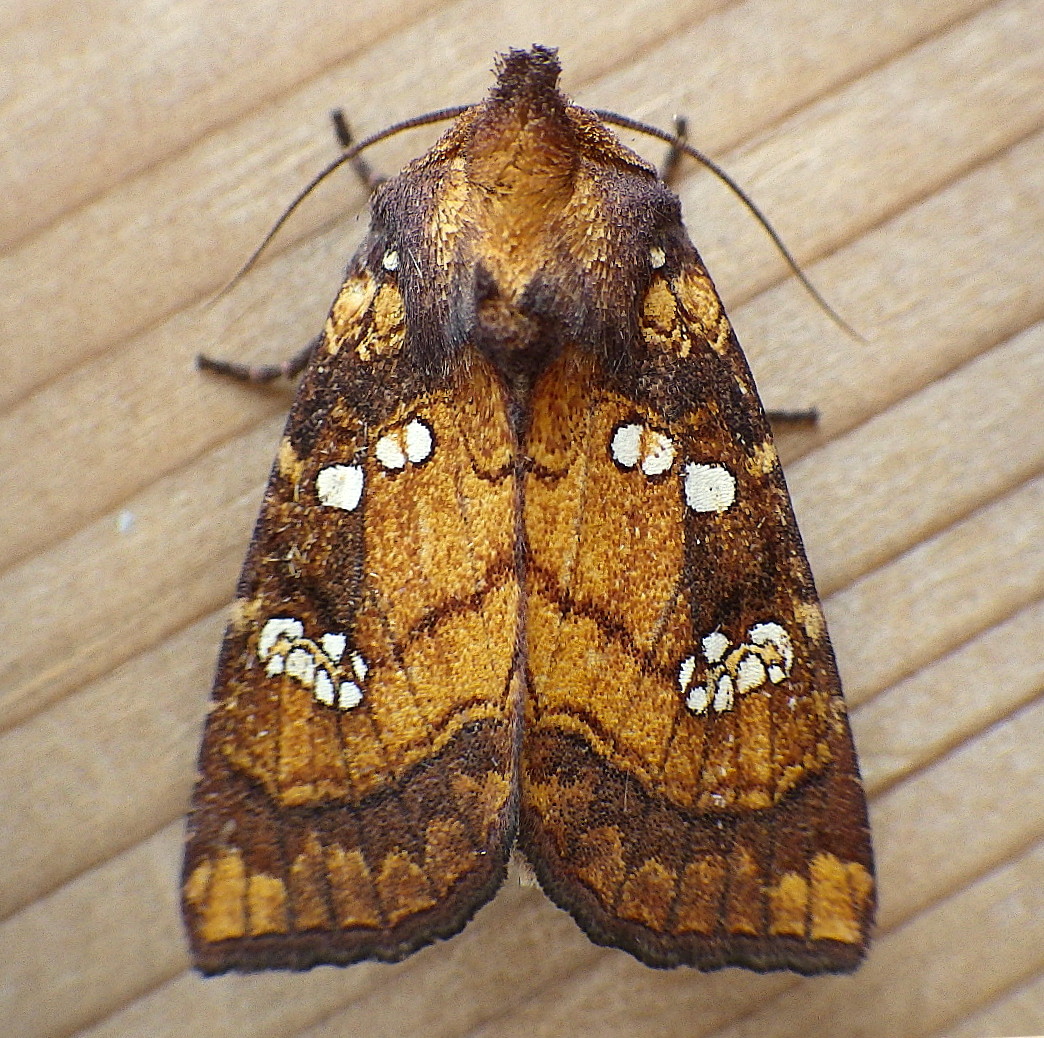
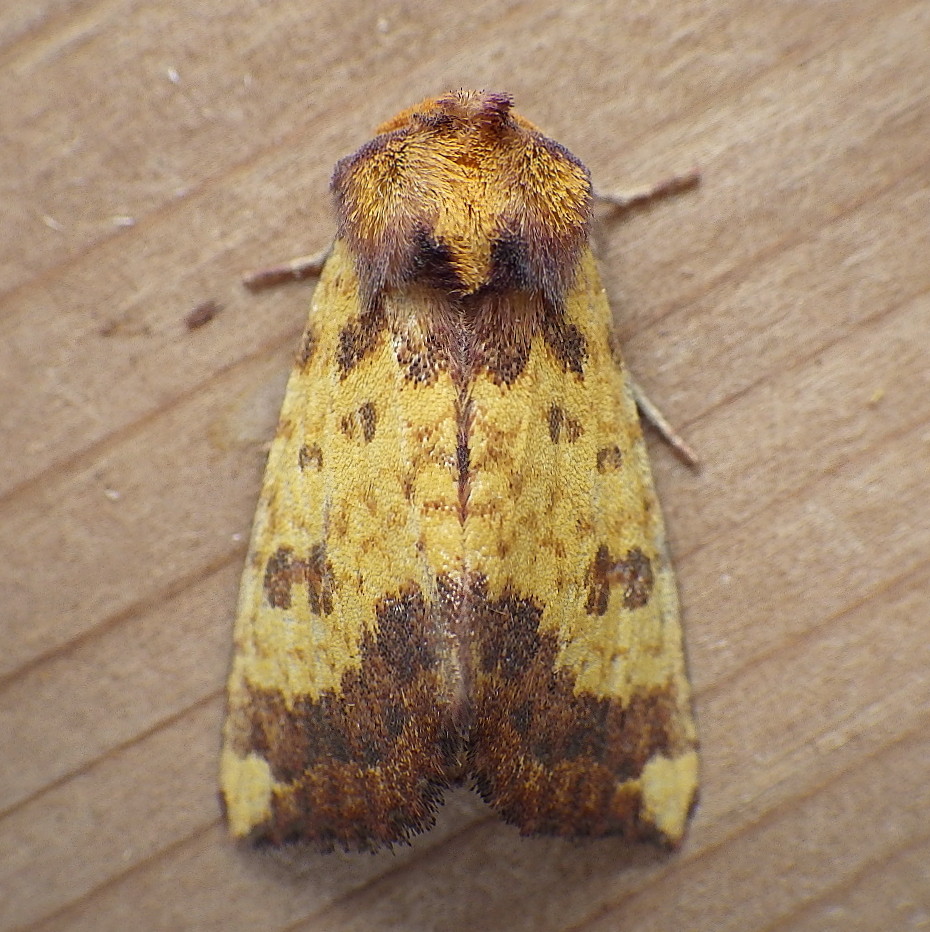
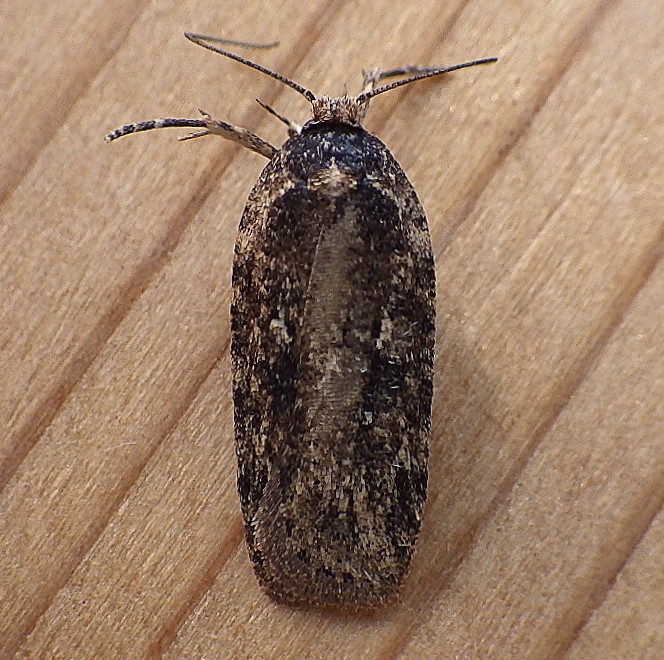
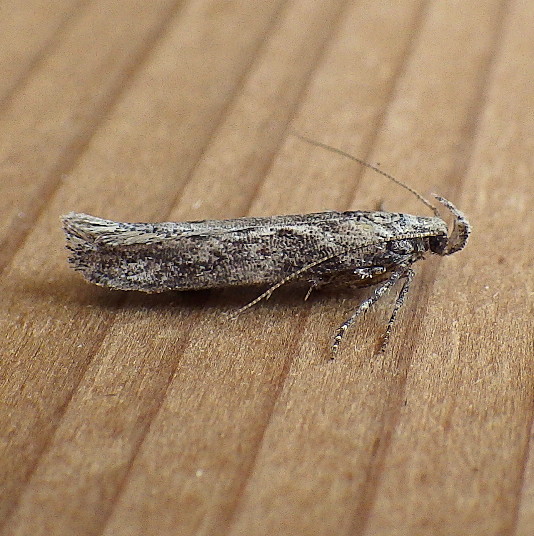
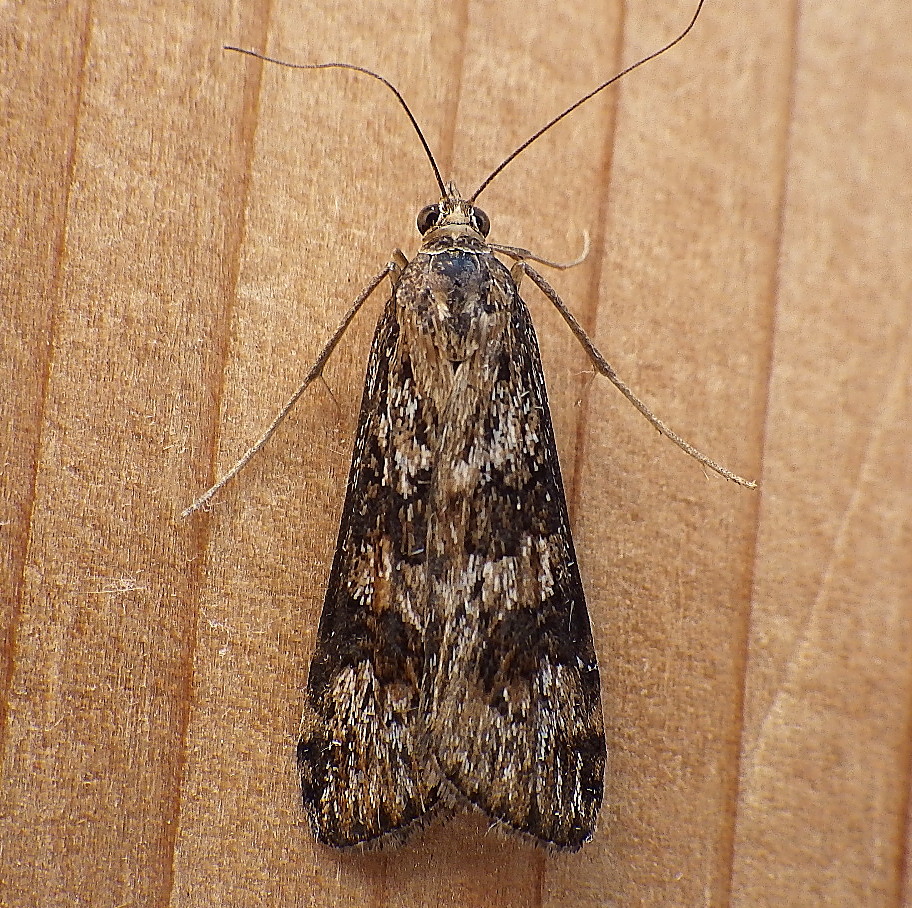
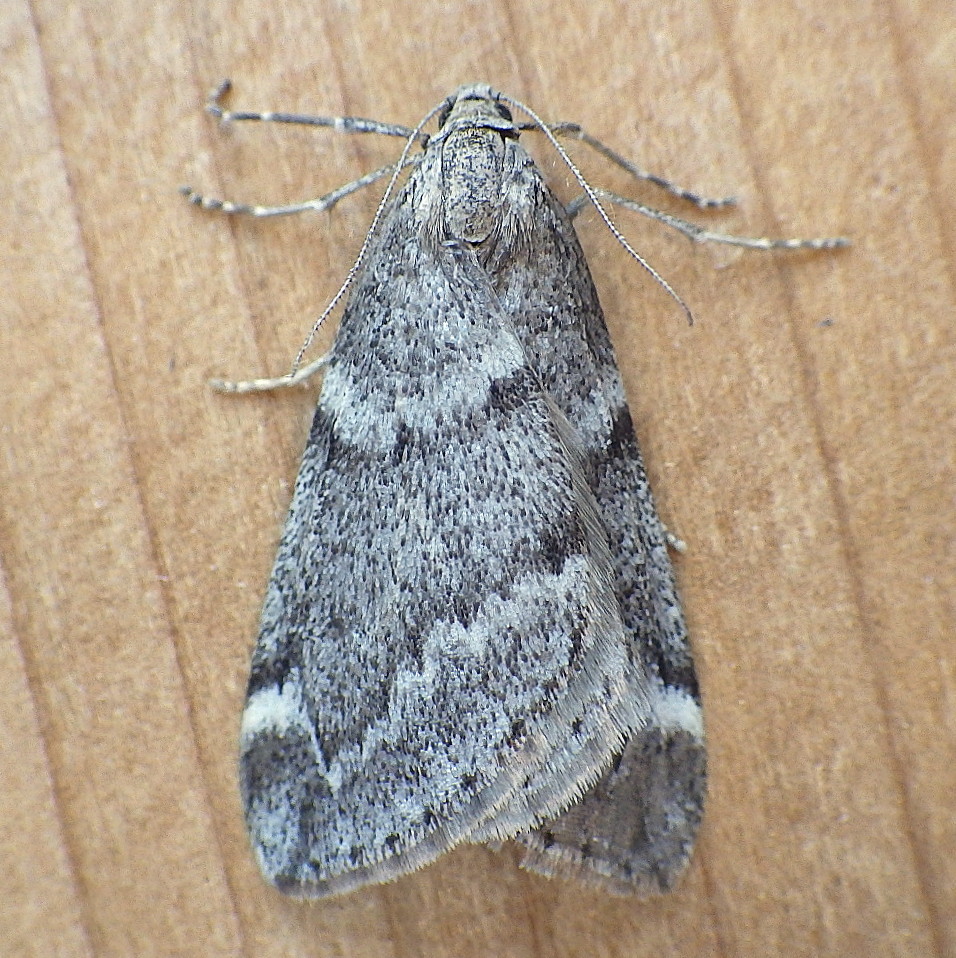
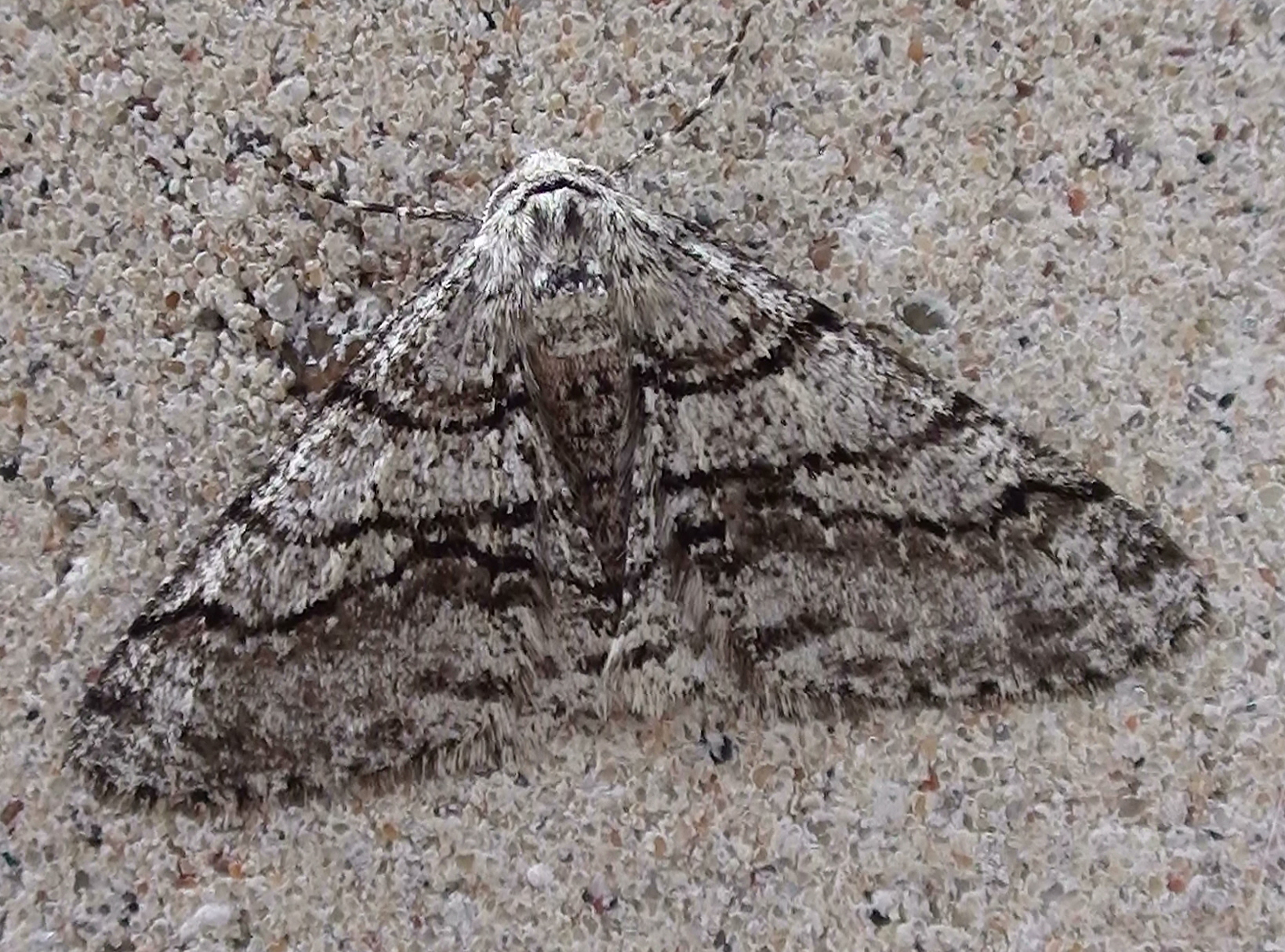
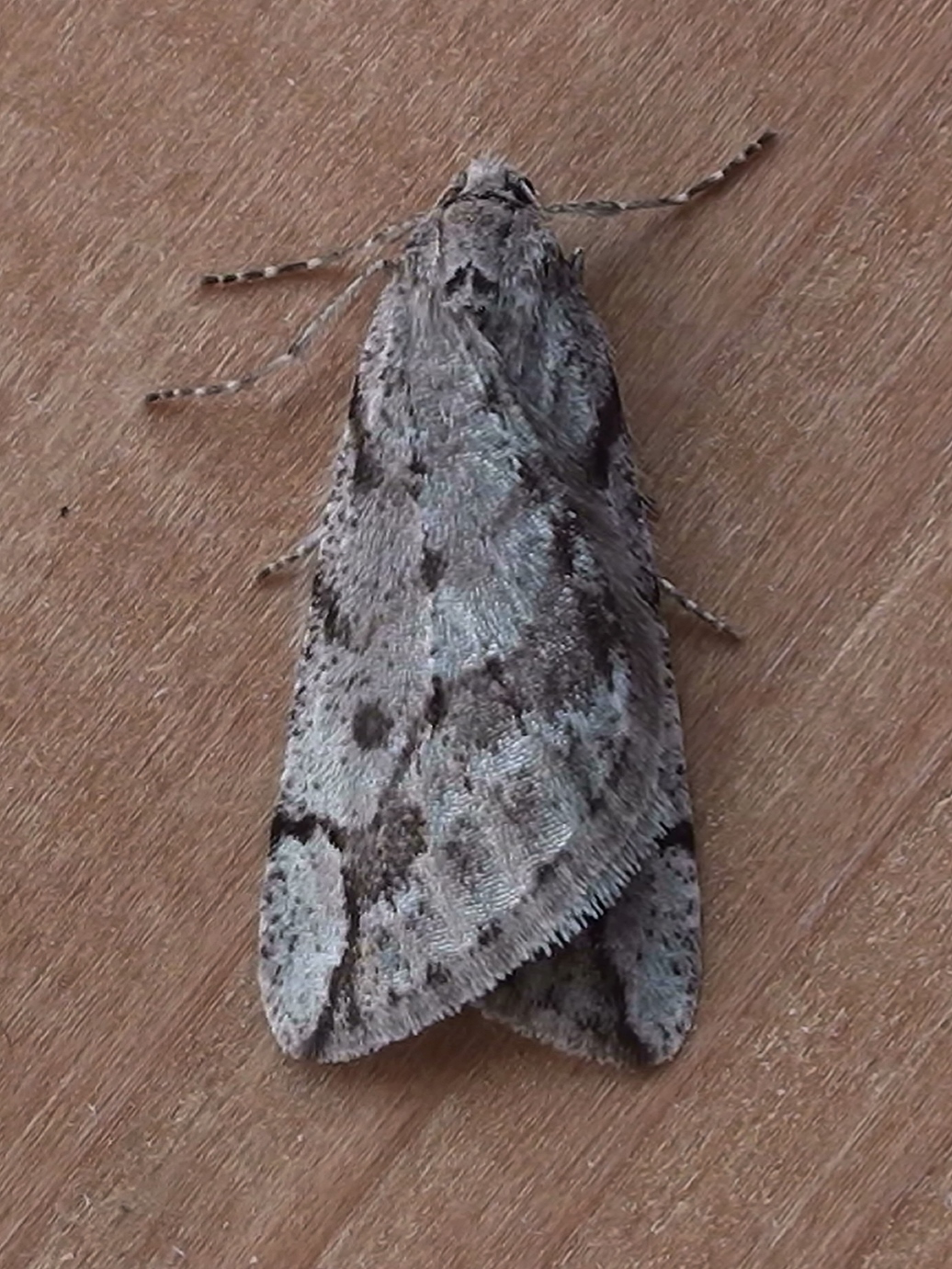
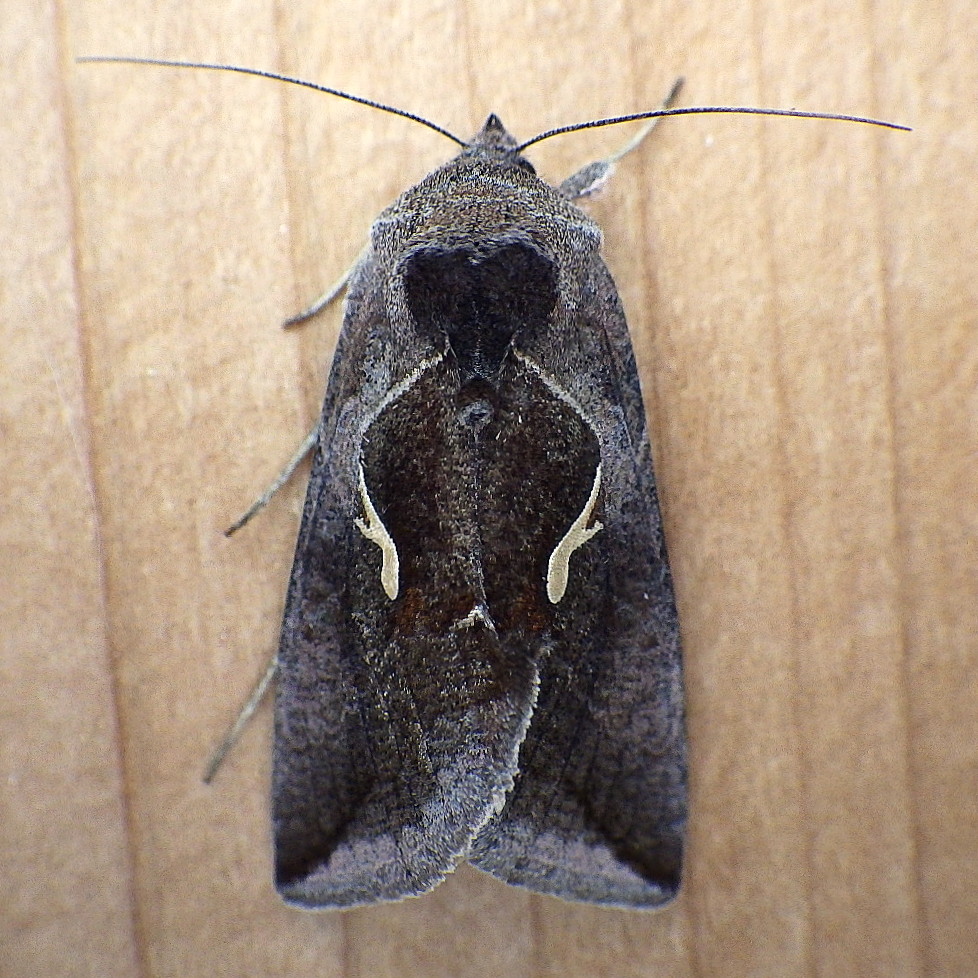
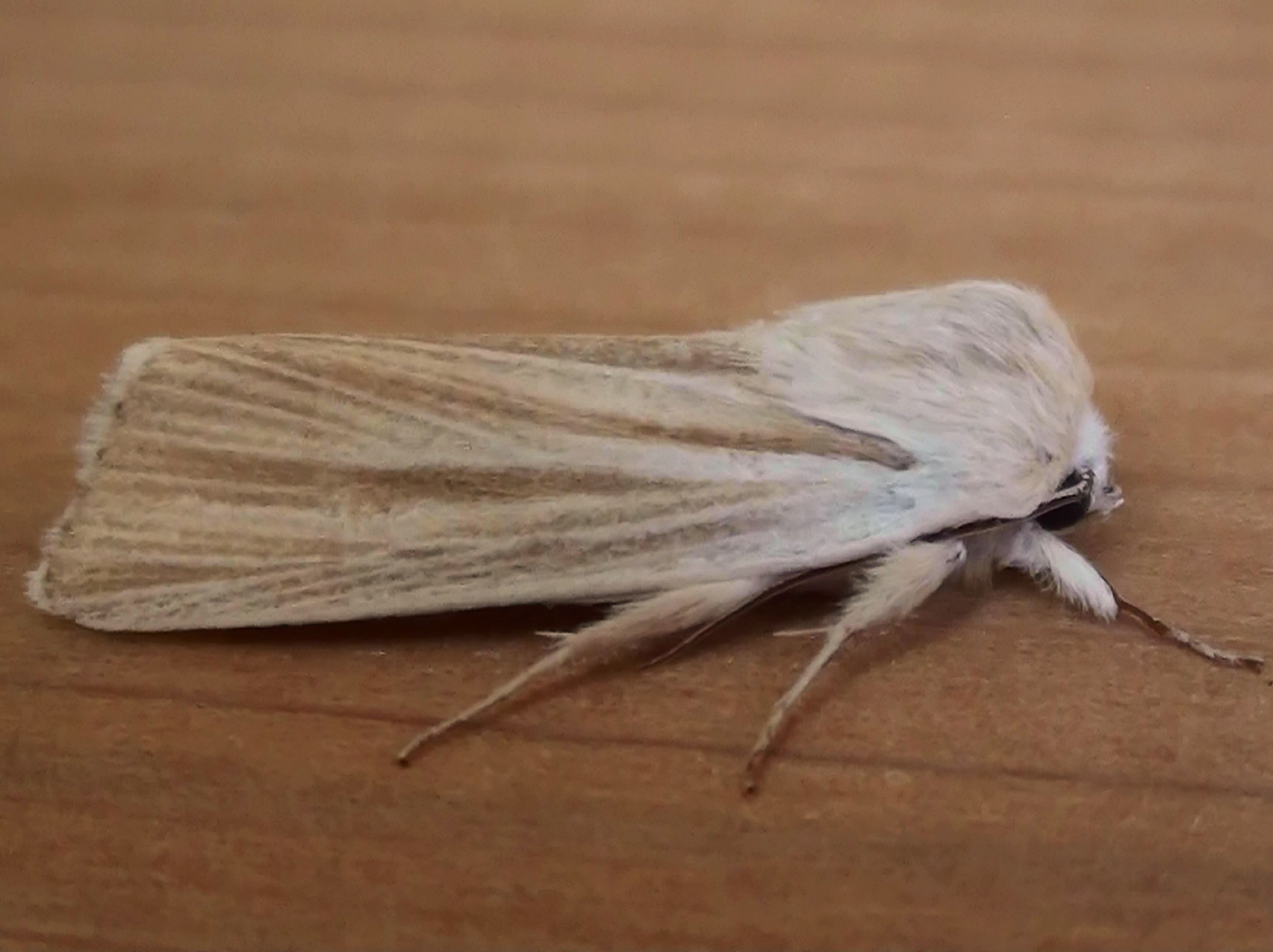
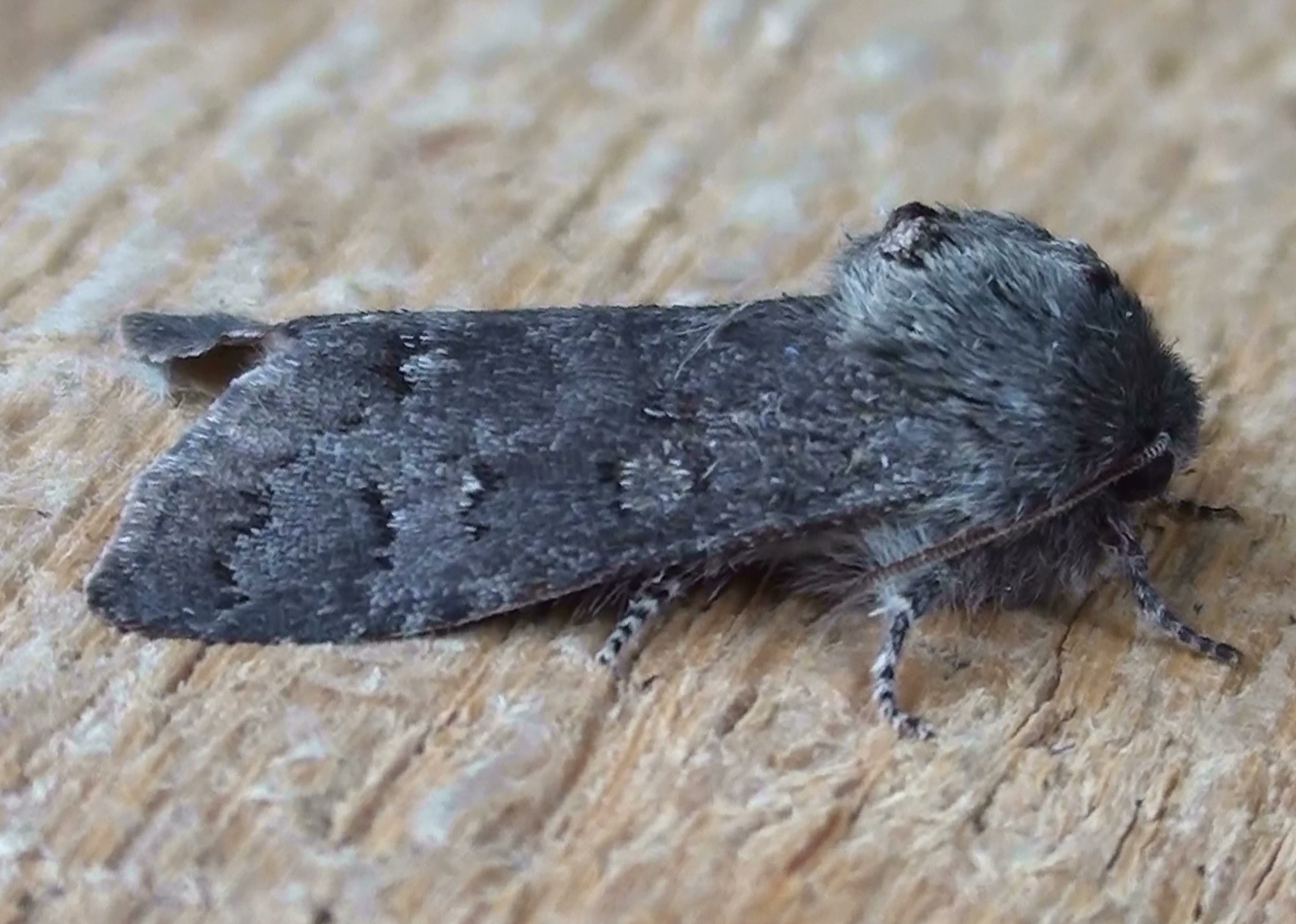
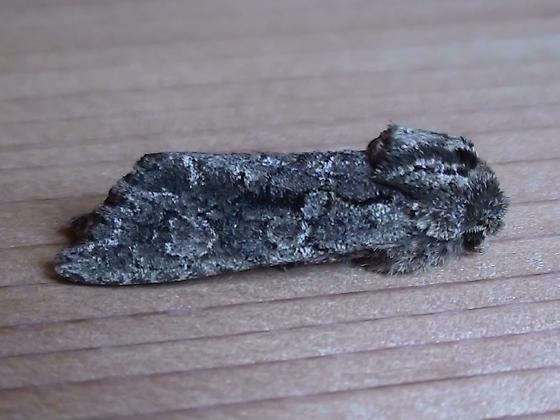
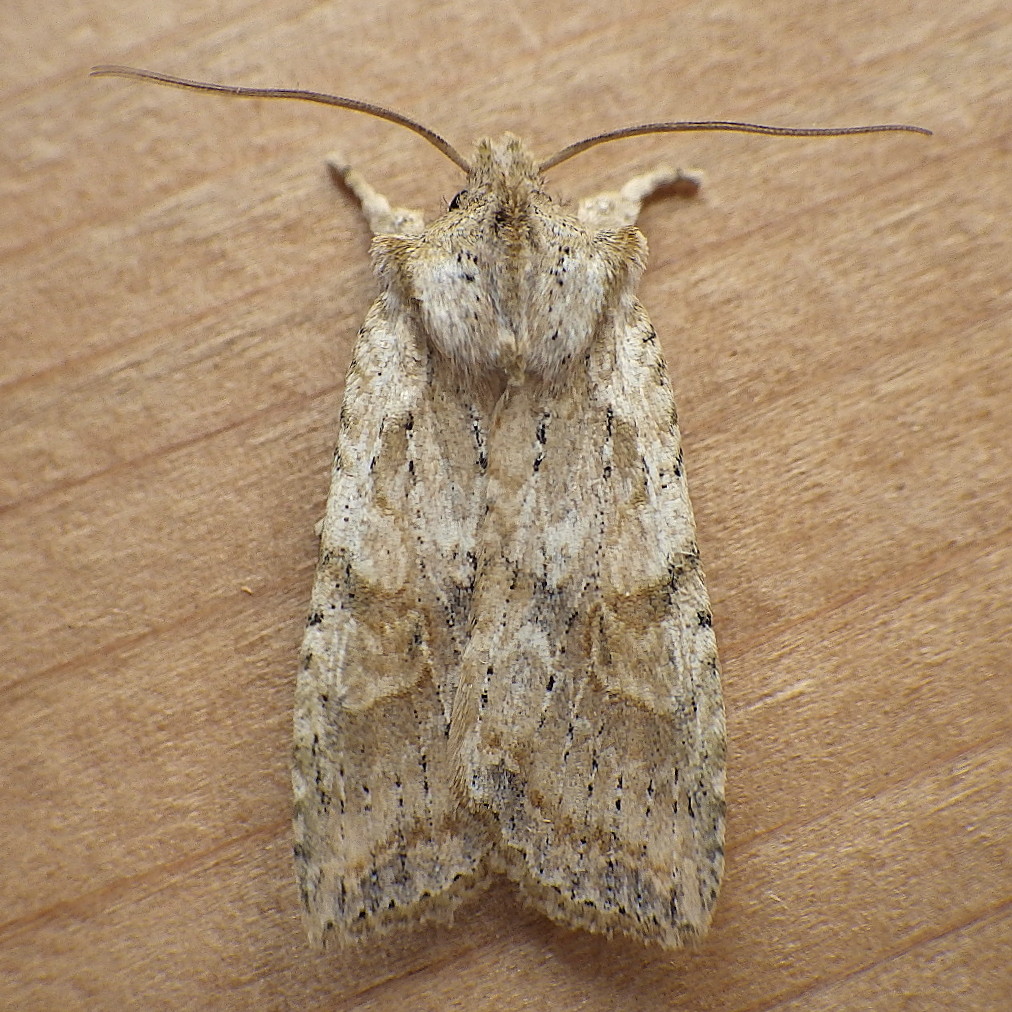
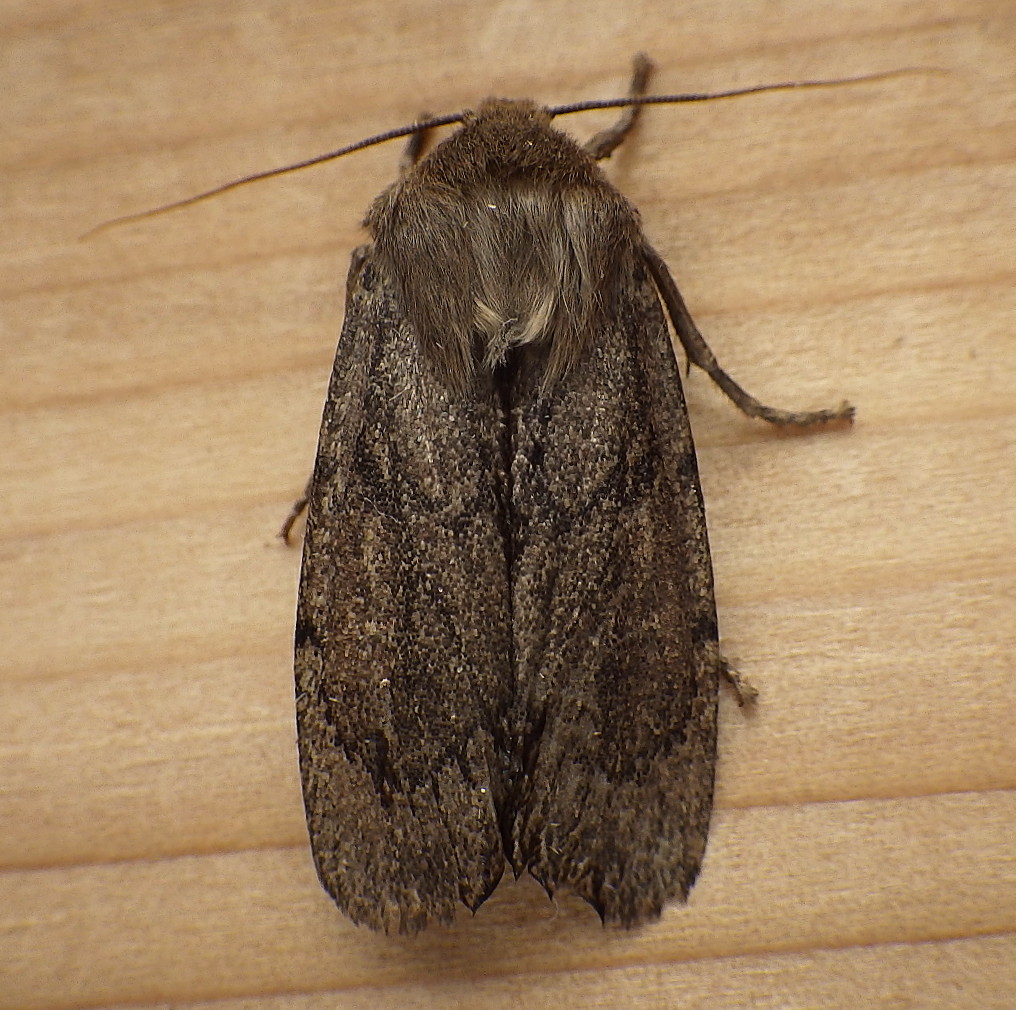
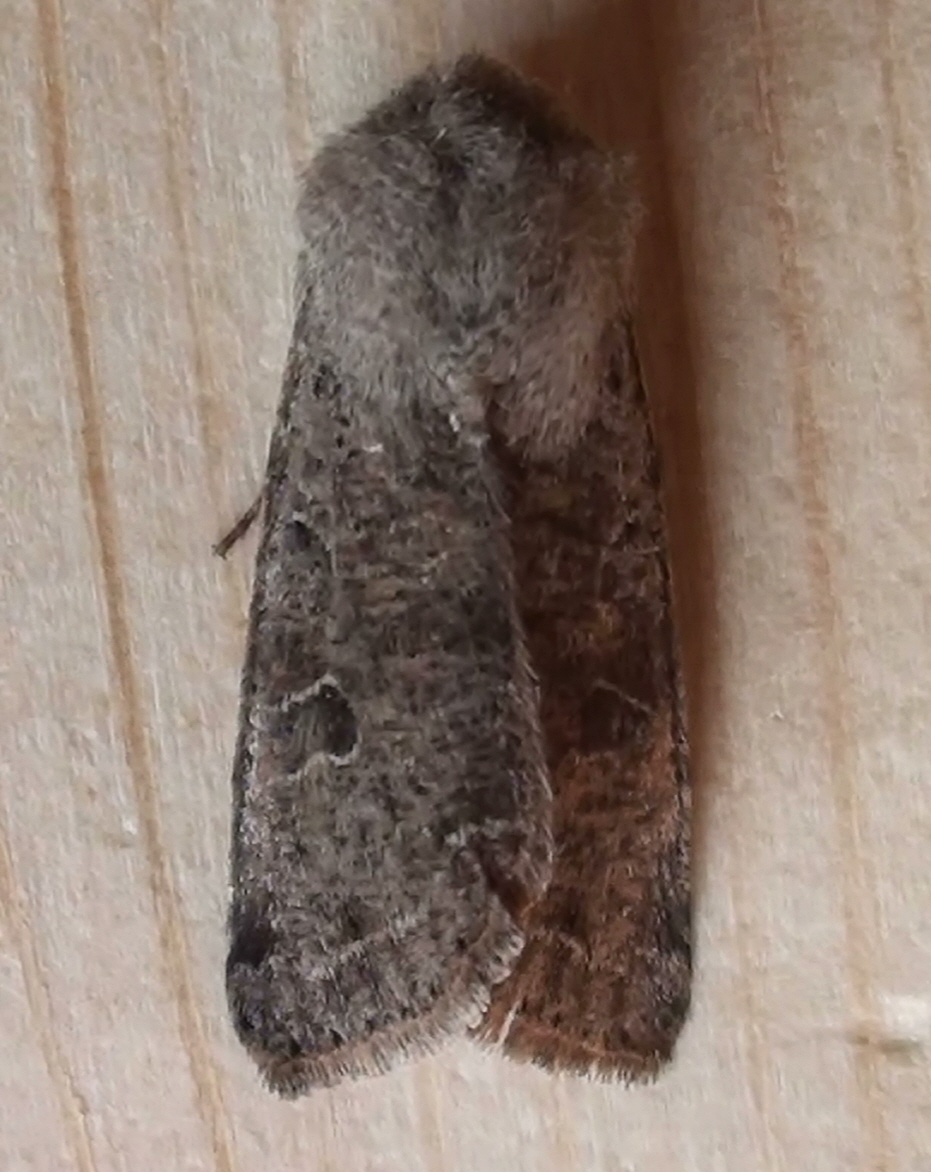
Xanthia tatago 3Papaipema arctivorens 4Papaipema cerina

Welcome to the upcoming

2014 Mothing Season! 

Please go to my BugGuide.net site to view 2013 moth species:

http://bugguide.net/bgimage/user/40711

Look for these 30 Spring moth taxa during March and April:

Agonopterix clemensella Agonopterix    Plutella xylostella Plutella

Gelechiid B Gelechiidae      Acleris (6) Acleris

Proteoteras aesculana Proteoteras     Epinotia 1A Epinotia

Alucita montana Alucita             Emmelina monodactyla Emmelina

 Nomophila nearctica Nomophila    Eupithecia ravocostaliata Eupithecia

Alsophila pometaria 2 Alsophila                Ectropis crepuscularia Ectropis

Phigalia titea Phigalia         Paleacrita vernata Paleacrita 

Phoberia (2) Phoberia        Anagrapha falcifera Anagrapha

Simyra Simyra          Psaphida B Psaphida

Copivaleria grotei Copivaleria  Xylena nupera Xylena

Lithopane bethunei Lithophane   Eupsilia vinulenta 2 Eupsilia

  Ufeus satyricus Ufeus            Orthosia Orthosia

 Sunira bicolorago 4 Sunira          Egira Egira   

Mythimna unipuncta 6 Mythimna    Peridroma saucia 2 Peridroma 

Agrotis ipsilon Agrotis          Cerastis 1 Cerastis 

Click on the link below to view a more comprehensive video compilation of early season moth genera common to northeastern North Dakota.

http://www.youtube.com/watch?v=V_d6x88nZ7s

To learn about National Moth Week 2014, click on the link below.

http://nationalmothweek.org/